This summer, four SUNY Oneonta students were immersed in hands-on learning experiences abroad as part of a select cohort of university students who received funding through the Tyler Center for Global Studies.
SUNY Oneonta students spent part of their summer exploring Latin America, Europe and Africa, where they completed research projects and creative work under the guidance of faculty mentors. Their trips were made possible by a $20,000 grant from the Tyler Center for Global Studies. SUNY Oneonta is among the Tyler Center’s 12 partner institutions across the country, which funded 63 Tyler Fellows this summer.
"Our campus is honored to once again be selected as a partner institution of the Tyler Center for Global Studies,” said Associate Director of Scholarly Activities Audrey Porsche “The Center’s generous support has allowed our students to not only conduct research or a creative project in another country but to also connect with students from around the country engaged in a wide variety of scholarly pursuits. It’s a unique opportunity for these students and will help them in so many ways beyond their time at Oneonta."
Now back on campus, students have been working on personal reflections about their travels and projects, networking with their peers in the program and will participate in the Tyler Center’s Virtual Summit on Nov. 19. SUNY Oneonta’s Tyler Fellows will present their research and creative activities in person on Tuesday, Sept. 22, from 9 a.m. to noon and 1 to 3 p.m. during the Summer Showcase in Hunt Union’s International Lounge.
This year’s Summer Showcase will also include student research fellows who received grant funding from SUNY Oneonta’s Student Research and Creative Activity fund, SUNY Oneonta students who participated in overseas internships through Sodexo, and students who participated in SUNY Binghamton’s summer research fellowship program.
Understanding Coffee Cost Dynamics in Colombia
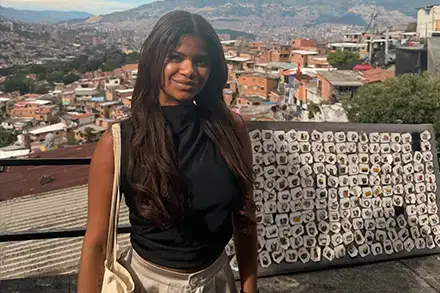
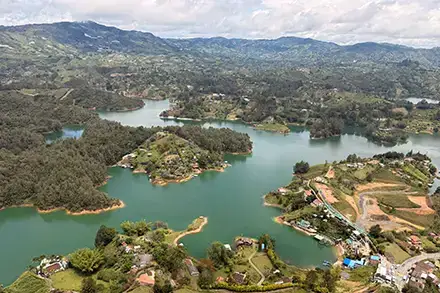
Laura Sandoval, a senior majoring in Business Administration with a concentration in Accounting and a minor in Economics, conducted research in Colombia under the mentorship of Associate Professor of Spanish Maria Montoya and Assistant Professor of Finance Catalina Hurwitz for her project, “Understanding Coffee Cost Dynamics in Colombia.” Drawing on her own experiences growing up in Colombia, Sandoval traveled to Santiago de Cali, Barranquilla, Manizales and Medellín to examine how coffee prices vary by region, socioeconomic status and type of coffee shop. Her research explored how factors such as location, demand, branding, transportation and the coffee-drinking culture of different regions can influence what consumers pay for the same commodity.
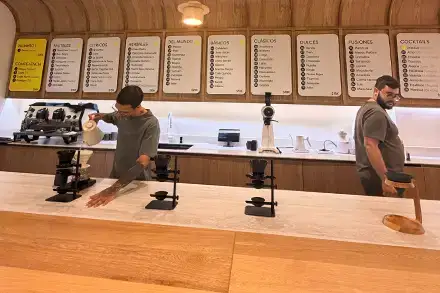
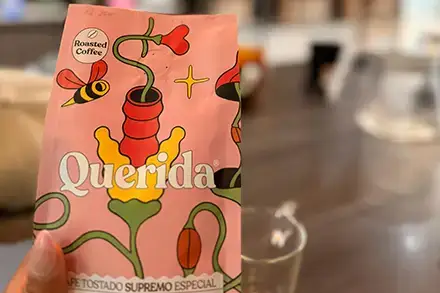
During her research, Sandoval visited coffee shops and supermarkets across neighborhoods representing different socioeconomic strata, comparing prices at international chains, national brands and independent cafés. She also gathered information from consumers through informal conversations about their coffee-buying habits, preferences and spending. In addition to collecting data for statistical analysis, Sandoval observed how businesses use their products, locations and customer experiences to attract different consumers. At a specialty café in Medellín, for example, she saw firsthand how a business could turn a cup of coffee into a broader experience through its atmosphere, service and unique drink offerings. The experience helped her connect her research to her interest in entrepreneurship and showed her how businesses can create value beyond the products they sell.

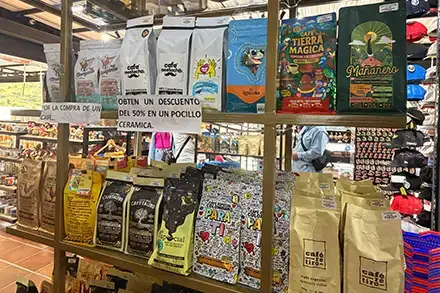
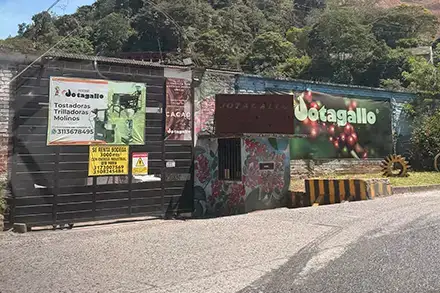
As she explored Colombia’s coffee industry, Sandoval also gained a deeper appreciation for the people behind the product. She learned more about the coffee growers who work from early morning to harvest the beans and how their contributions can become less visible as coffee moves through processing, distribution and marketing. The experience encouraged her to look beyond the price of a cup of coffee and consider the people, businesses and communities that make the product possible.
“Giving the coffee growers the platform that they deserve,” Sandoval said, was one of the most important lessons she took from the project. “You only see the brands, you only see the distributors, but you don't see the people that wake up every single day to pick the coffee. These people are getting paid five-to-10 percent of the profit. Some organizations try to protect their rights and get the retribution they deserve. At the same time, though, they’re also doing it for their own benefit, because the same people who are trying to protect them are also selling the coffee products and making their own profit from it. That’s something that people don’t hear enough about.”
Assistant Directing Evren Odcikin in "Love’s Labour’s Lost"
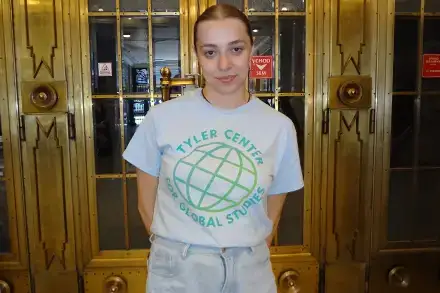
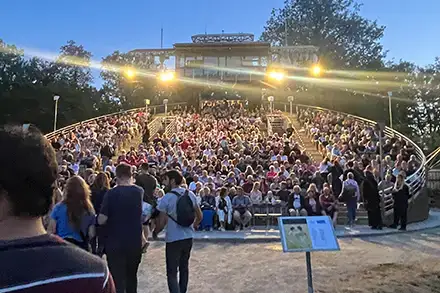
Stephanie Lynne, a senior majoring in Communication Studies and a double minor in Theatre and Media Studies, traveled to Prague, Czech Republic, to participate in the Prague Shakespeare Company’s 2026 Summer Shakespeare Intensive. With faculty mentorship from Professor of Theatrical Design John Bagby, Lynne spent the summer developing her skills as a young theatre director while working alongside actors, directors, stage managers and designers from different backgrounds. Her experience included classes in directing Shakespeare and new plays, as well as serving as an assistant director for “Love’s Labour’s Lost,” directed by Evren Odcikin, which later toured to Venice, Italy.
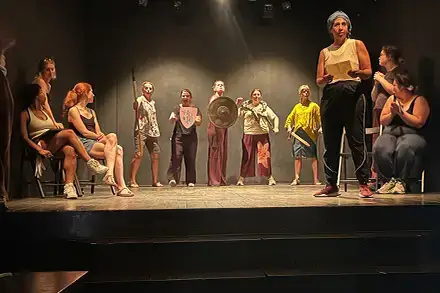
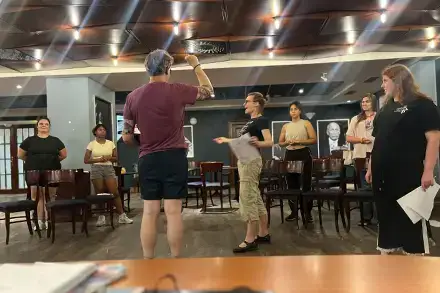
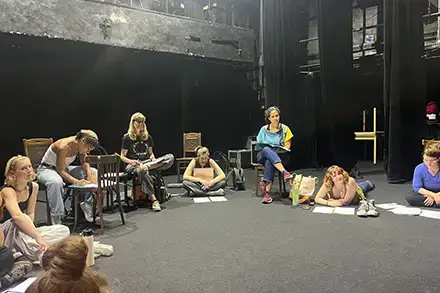
As an assistant director, Lynne took on a variety of responsibilities throughout the production process, from coordinating and organizing props to filling in for actresses when performances overlapped with rehearsals and helping cast members rehearse their lines. The production featured an all-female cast made up of both professional and amateur actresses, giving Lynne the opportunity to work with artists at different stages of their careers. She also gained firsthand experience with the collaborative approach of the Prague Shakespeare Company, including the close relationship between the cast and crew.
On opening night in Prague, for example, the cast invited Lynne and stage manager Sophia Milton, another SUNY Oneonta student, to join their pre-show pep talk in a “heartwarming moment that showed how close we all became throughout the process,” Lynne said in reflection.

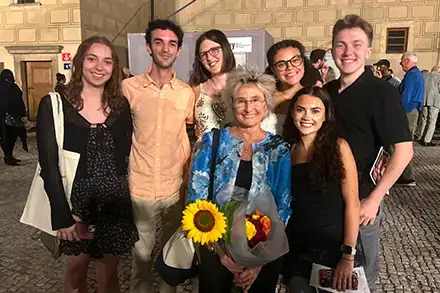
The experience pushed Lynne outside of her comfort zone while teaching her how to balance multiple responsibilities in a professional theatre environment. She especially valued the opportunity to meet artists who shared her passion for theatre and learn from their different experiences and perspectives. The connections she made through the company also gave her a broader network to draw on as she considers her next steps after graduation.
“One big thing I feel I will take away from this experience is multi-tasking. As an assistant director, every day I was doing something different,” Lynne said. “Not only did I come out of my comfort zone, but it helped me get to know others within the company and make connections that I can use when trying to figure out what to do post-grad.”
Functional Diversity and Niche Partitioning in Fossil Bovids: Implications for Hominin Meat Access
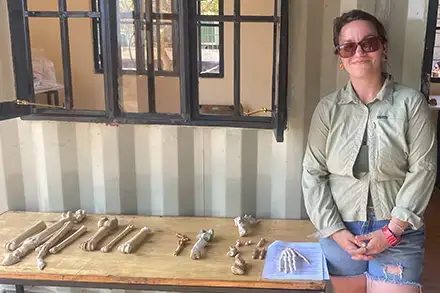
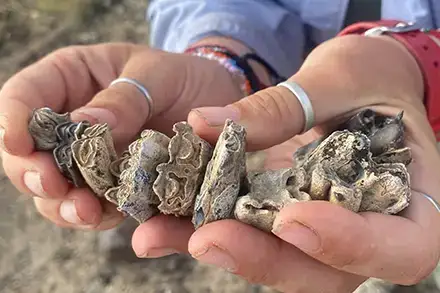
Saranna Shevalier, a senior double majoring in Biology and Anthropology, spent the summer researching how ancient ecosystems may have influenced early hominin access to meat through hunting and scavenging. Her project, “Functional Diversity and Niche Partitioning in Fossil Bovids: Implications for Hominin Meat Access,” examined fossil evidence from the Koobi Fora Field School in northern Kenya to explore what the composition of ancient animal communities can reveal about the opportunities available to early humans. Working with fossil bovid remains, including animals such as antelope, buffalo and other large herbivores, Shevalier used ecological traits of modern African bovids to help reconstruct the environments hominins encountered millions of years ago.
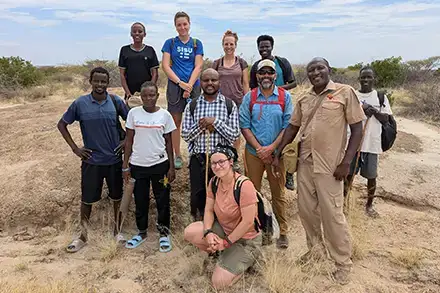
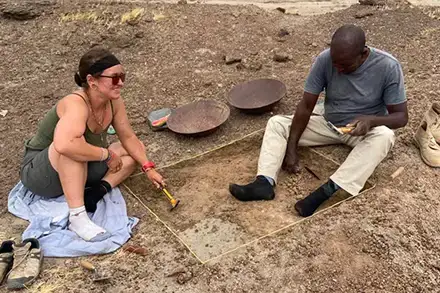
The project was also an opportunity for Shevalier to return to the Koobi Fora Field School in a new role. After participating in the field school as a student the previous year, she returned as an intern and peer mentor, helping students directly with their research while providing academic and personal support to several others. Her responsibilities ranged from editing and co-authoring student papers and presentations to helping with R coding and GIS mapping. She also helped keep the field camp running, making sure radios were charged and accounted for and that the team had enough filtered drinking water each day. The work meant long days in the field, often beginning at 6 a.m. and involving hours of driving, surveying or excavating before returning to camp for dinner, staff meetings and more work with students.
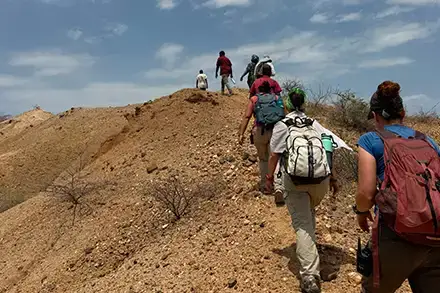
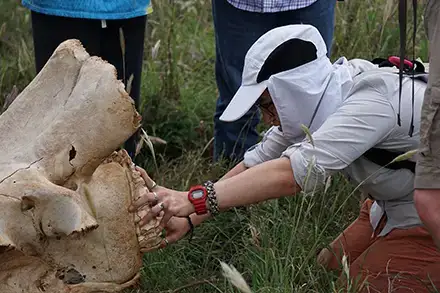
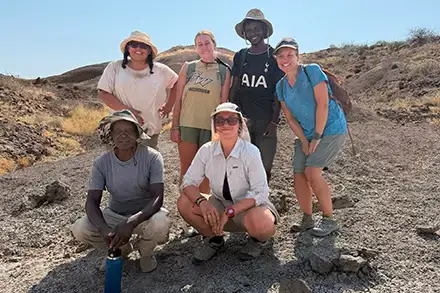
But for Shevalier, some of the most meaningful moments happened beyond the research itself. She was captivated by seeing animals such as elephants in their natural environment and by meeting researchers whose work she had studied throughout college. At an academic conference near the end of the field season, she joined a group photograph with researchers and former students of the Koobi Fora Field School, a moment that made her recognize the lasting community she had become part of.
The experience also changed how Shevalier viewed her own abilities. Having once been intimidated by the idea of navigating a remote environment thousands of miles from home, Shevalier returned feeling more confident in her ability to face unfamiliar situations and help others through them.
“I am learning to not let my fear and anxiety rule me,” she said. “My school experience has been largely about being brave, taking those chances, doing things that I didn't think I could do.” That lesson has also shaped her future goals, as she considers a career in science communication and hopes to teach young people about the ecosystems around them.