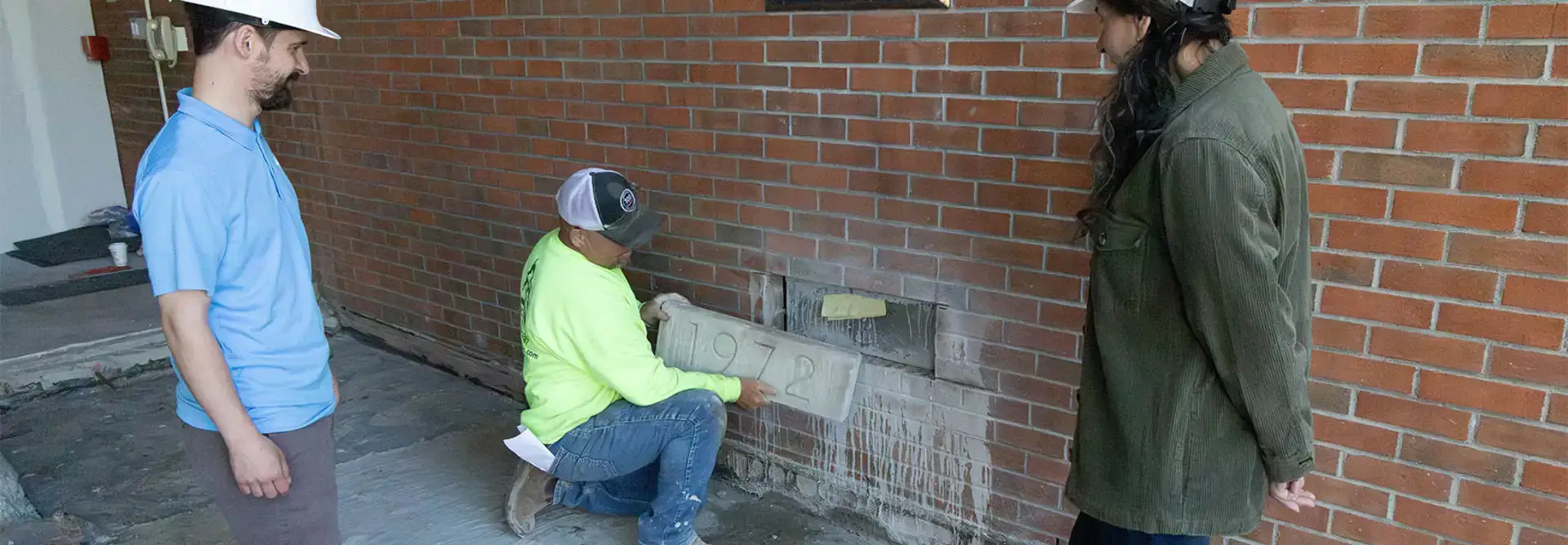
What began as a routine summer construction project turned into an unexpected blast from the past this week, offering a snapshot of SUNY Oneonta life from five decades ago.
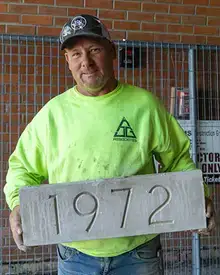
Construction workers renovating the entrance to Hunt Union uncovered a time capsule from the 1970s on Wednesday, June 17. The 24-by-8 inch metal box, found by Bill Latham of Binghamton-based contracting company AJG Associates, had been sealed among bricks behind the building's 1972 datestone for more than 50 years.

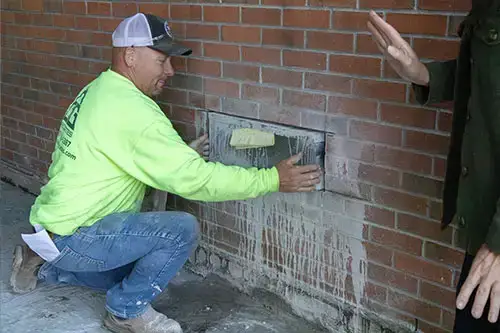
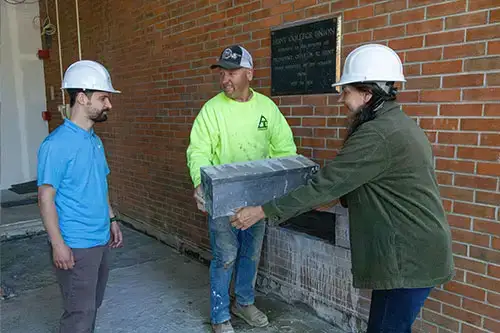
“I’ve put a couple of time capsules in during projects, but I’ve never taken one out,” Latham said. “It was pretty cool to find.”
The discovery was made during a renovation project designed by Mosaic Associates Architects to improve accessibility and modernize the entrance of Hunt Union, the hub of student activities and events. Campus Architect Jared Shue said the project is one of about 20 summer construction projects on campus and will be finished in the fall.

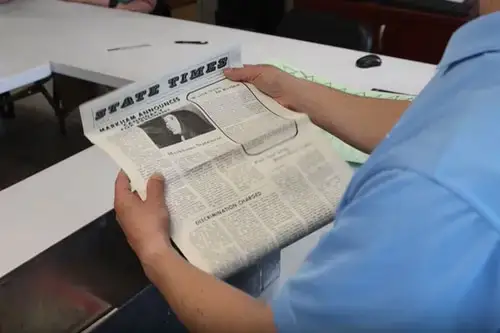
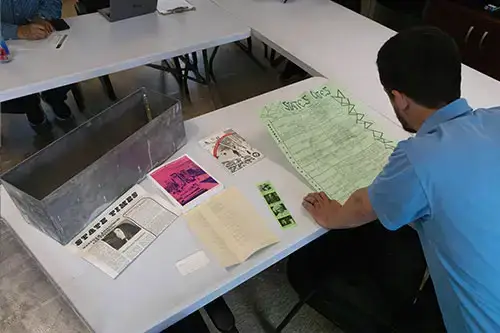
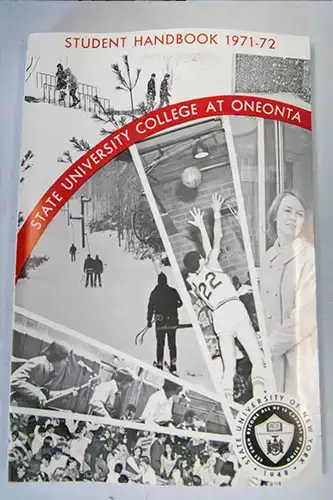
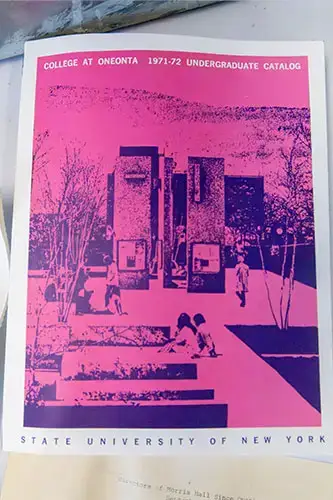
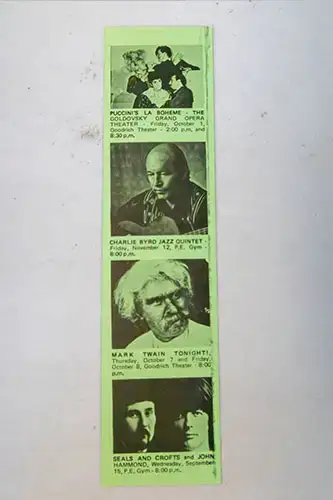
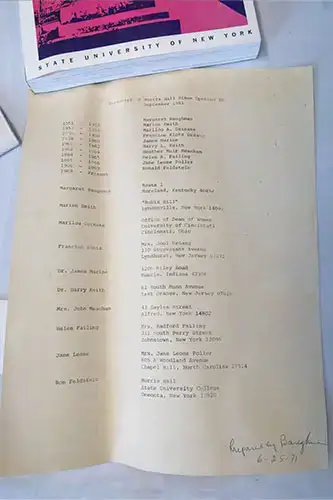
When employees from SUNY Oneonta and Mosaic Associates Architects gathered to open the capsule, they found a snapshot of campus life in the early 1970s. Inside were artifacts including a student handbook from the 1971-1972 academic year, a course catalog, a schedule of campus events such as Coffee House concerts, and a December 1971 issue of student newspaper The State Times.
“It’s amazing how white all the paper still is,” Director of Facilities Operations Brian Murray said after the opening. “It’s all really well-preserved.”
The contents will be handed over to University Archives & Special Collections in Milne Library. Plans are already underway to continue the tradition, according to Associate Vice President of Facilities Management Lachlan Squair.
“It would be nice to create a new time capsule and include some meaningful items that reflect campus life today,” Squair said, “for future generations of Red Dragons to discover.”
What Was SUNY Oneonta Like in 1972?
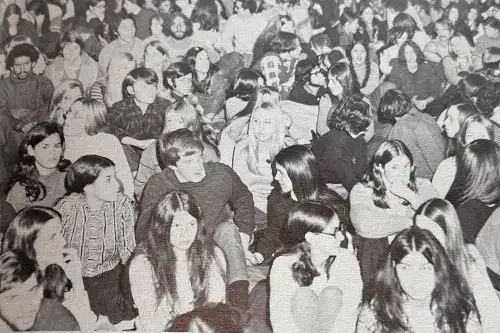
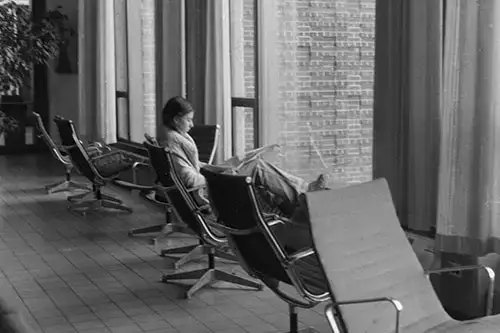
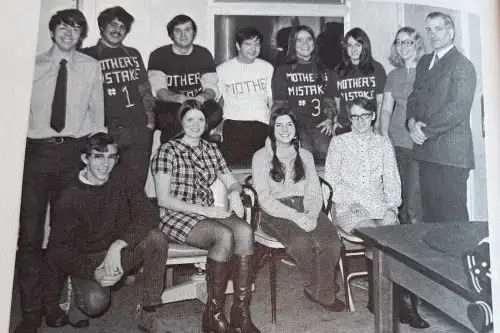
The artifacts inside the Hunt Union time capsule offered clues about campus life in the early 1970s. For alumni who were students at the time, the news brough back many memories.
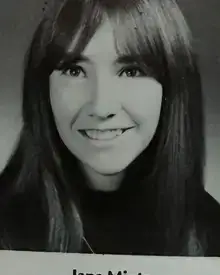
"It was a period of tremendous change," recalled Jane Minto Bailey '72, who arrived on campus in 1968 as an elementary education major. Bailey’s name was listed on an events calendar inside the capsule from the Fall of 1971 because she was Treasurer of the Activities Development Council.
When Bailey first arrived on campus, which she picked for its reputation as a state teachers college and because “it was the most beautiful campus,” campus traditions and life reflected a more conservative era. Students dressed in “preppy” styles and residence halls had strict visitation rules.
"Gentlemen were not allowed upstairs at all and we had a designated ‘date room’ in each dorm that the RAs strictly monitored,” she recalled. “By the time I was a senior, everything had changed. There was long hair and bell bottoms. It was a complete whiplash of norms.”
The changes happening on campus mirrored those taking place across the country. Students were living through the Vietnam War, political unrest and a rapidly changing social landscape.
At the same time, SUNY Oneonta was undergoing a transformation of its own.
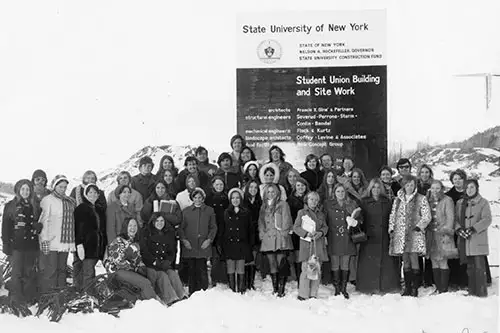
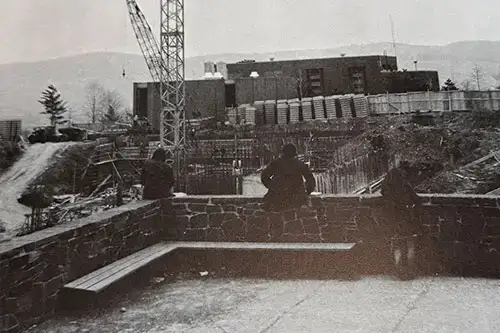
Between 1966 and 1972, 19 new buildings were constructed on campus. Hunt Union and Hulburt Hall, both completed in 1972, were among the final projects in a period of remarkable growth, said Special Collections Librarian Heather Stalter. Old Main—once the heart of campus and home to the pillars that are now part of the Pass Through the Pillars tradition—was beginning to take on a smaller role as activity shifted to the expanding upper campus.

For Bailey, some of the best memories center around the many impressive speakers and performers who visited SUNY Oneonta during the early 1970s. The list includes The Temptations, Chicago, Seals and Crofts, The Beach Boys and Elton John.
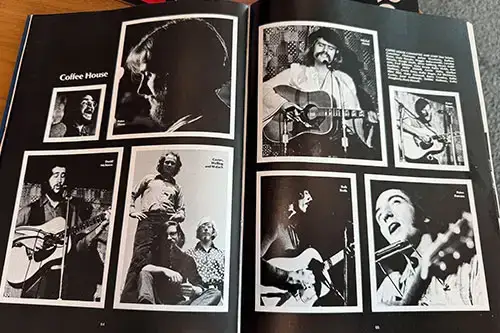
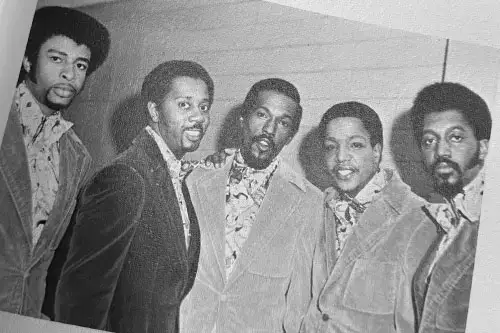
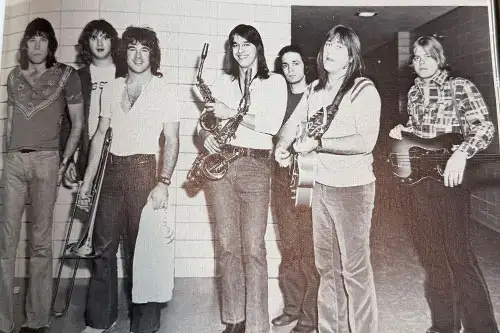
As Treasurer of the Activities Development Council, she helped coordinate campus events and met several notable guests, including astronaut John Glenn. She also found herself face-to-face with a rising musician named John Denver.
"He came to Oneonta when I was a freshman and played at the Coffee House,” Bailey said. “By the time I was a senior, he was a much bigger artist and came and performed in Chase Gym with Mary Travers. As treasurer, I got to go into the locker room before the concert and hand him a check for $10,000," Bailey said. "My knees were knocking."
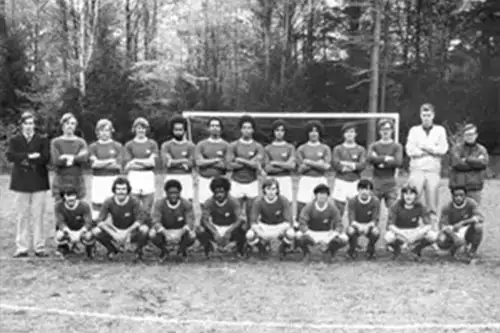
For Joe Howarth '74, who came to SUNY Oneonta from England to play soccer, the people made the biggest impression. He remains close with the other members of the 1972 men's soccer team, which won the New York Regional championship and advanced to the national semifinals under coach Garth Stam’s leadership.
"We had 13 different nationalities on our team," Howarth said. "It was amazing that Garth was able to pull it all together. We all got along so well, which was great considering our different backgrounds. We still do. I’ll see them this year in September. We had a great team, and it was very rewarding.”
Howarth remembers the 70s fondly: long hair, mustaches, bell bottoms, packed athletic events and a supportive campus community that rallied around students.
"The staff were so supportive of every one of us," he said. "We had a wonderful support system from the whole campus, from Admissions and on from there. It was such a wonderful experience, and I loved every minute of it.”
The Artifacts